Choosing an Arizona neighborhood: commute, schools and HOA checks
Choose an Arizona neighborhood around your daily needs, then compare addresses using consistent criteria. Photographs, school ratings and first impressions answer different questions. Combine observations with documents you can verify.
Define the daily trips that matter
List the places you need to reach during a normal week: work, school, shopping, health care and regular activities. Decide how much travel time you can accept and which trips require driving. Distance alone does not capture departure times, neighborhood access or whether several tasks fit into one outing.
If a TSMC or other job is the reason for relocating, use the actual work address, entrance and shift. Knowing the employer’s location is a starting point, but nearby homes can have very different commutes. Occasional office visits and a daily fixed schedule may lead to different choices.
Start with a few non-negotiable needs and a separate preference list. Bedroom count, pickup timing and monthly affordability may outrank finishes or yard size. Without priorities, each attractive house can redefine the entire search. Revise the list when you learn something, but record why the change matters.
Visit the neighborhood at different times
A showing captures one moment. If traffic, noise or parking matters, consider another visit at a different time without disturbing residents or entering private property. Record the date and time so that a single observation does not become a claim about everyday conditions.
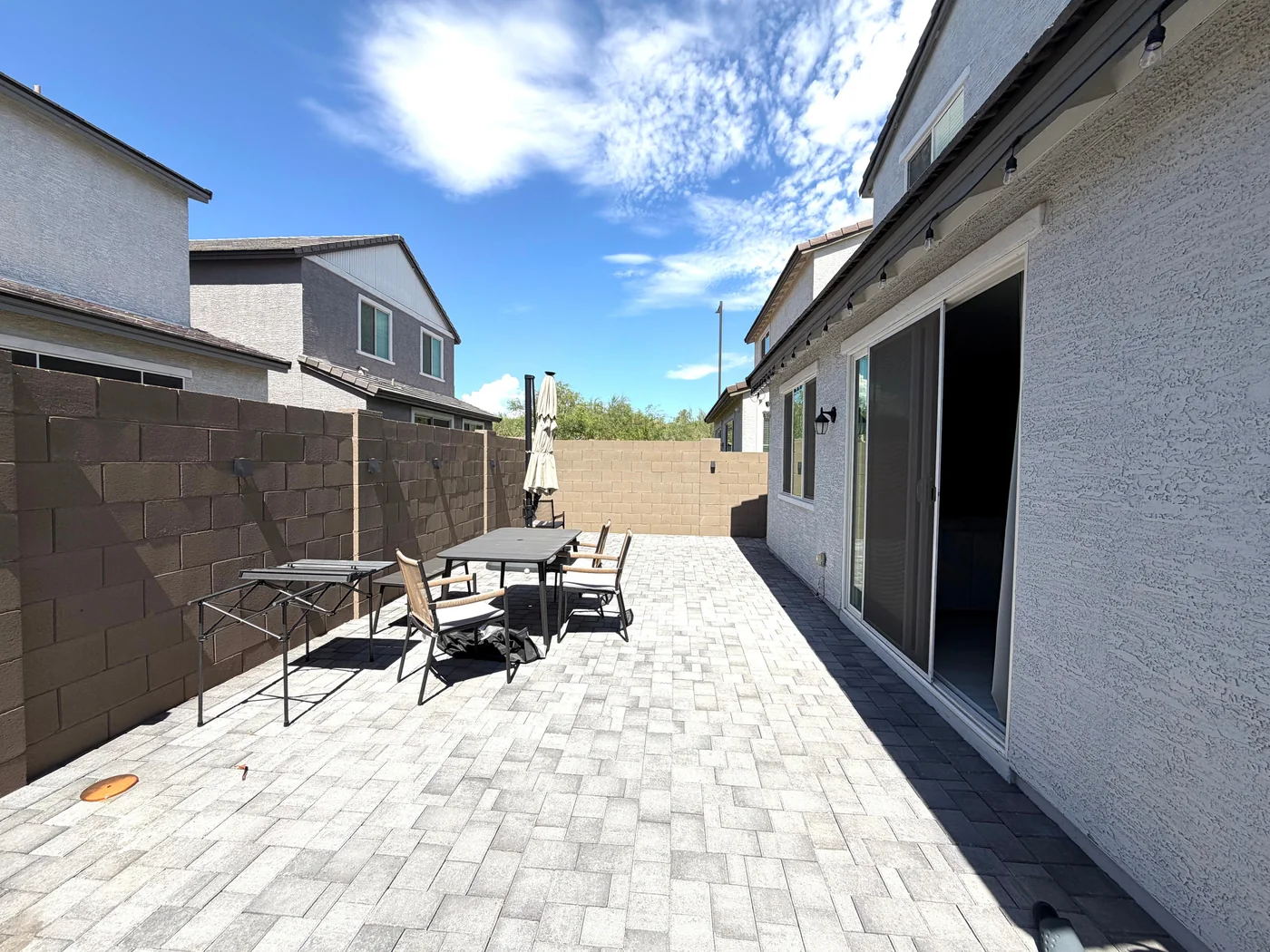
Describe what you can actually observe: posted parking restrictions, driveway usability, sidewalk continuity, crossing arrangements and the relationship to major roads. Then identify the document or authority that can answer the remaining question. Many parked cars do not prove that homes are being informally subdivided or tell you anything reliable about residents’ character.
Check how you would use nearby amenities. A short map distance to a store does not show your actual exit, turns or opening hours. Distinguish existing facilities from proposed ones, and ask whether an amenity is public, resident-only or subject to additional charges.
Separate property changes you could make from location constraints you would live with. You can change a home’s finishes, but its location and your daily commute are harder to change.
Verify school information for the address
A nearby school is not proof of attendance assignment or enrollment eligibility. If schooling is central to the purchase, ask the relevant district to verify the complete property address, applicable grade, current boundaries and enrollment process.
Arizona Department of Education’s School Report Cards offer information and comparison tools. Read the year and meaning of each measure alongside school and district information. A single score cannot fully describe curriculum, student support or a family’s practical needs.
Ask about transportation, schedules, language or other learning support, activities and any application or capacity conditions. Third-party ratings can suggest questions, but important eligibility information should come from the responsible school or district. Keep the date and contact for each confirmation, particularly where new development or proposed future facilities are involved.
Understand HOA rules and what public records can tell you
HOA charges affect the budget, while rules may affect parking, exterior changes, landscaping, pets, renting and use of facilities. Read the applicable documents and ask about known additional charges or assessments. Find the specific provision supporting a use that matters to you.
For example, owning a garage does not establish that a larger vehicle fits or that every parking arrangement is allowed. A rental listing nearby does not establish that your property can be used in the same way. Property, association and local requirements may differ.
Public records also have limits. A mailing address different from the property address is a reason to investigate, not proof of occupancy. Mortgage and transaction records do not reveal a household’s complete current finances. They should not be used to label neighbors or declare a community superior because of cash purchases.
For public-safety information, start with official tools and review their scope and updating practices. Arizona DPS provides registry information, but map markers are not a comprehensive neighborhood safety rating. Use records to identify questions without treating them as a guarantee or making claims about particular residents.
Compare options with the same worksheet
Use consistent fields for every property: commute, space needs, monthly costs, school verification, rules and unanswered questions. Choosing a different favorable criterion for every home prevents a meaningful comparison.
As a hypothetical example, Home A may be closer to work but include fees for amenities you would not use. Home B may cost less to buy but require more travel. Compare cash, recurring expenses and the weekly schedule together. The point is to explain a tradeoff, not to announce a universally best neighborhood.
- Identify the property and save the listing, not just the community name.
- Record travel destination, time, route and observation date.
- List applicable housing expenses and a separate maintenance allowance.
- Name the documents, data year or authority behind confirmed information.
- Record outstanding questions, the person checking them and the target date.
- State which tradeoffs you would accept and which would rule the home out.
Bring these notes to a conversation with Sabrina. They provide a clearer starting point than asking for a “good area.” Your agent can help organize property and transaction questions; school eligibility, lending, legal and technical matters still need the relevant professionals or authorities.
Sources and lookup tools, reviewed October 4, 2026:
Arizona Department of Education — AZ School Report Cards
Arizona Department of Public Safety — Sex Offender Compliance
Arizona Department of Real Estate — Property Buyer’s Checklist
This is general buying information. Confirm transaction-specific rights, deadlines and costs against your signed agreement and written advice from the appropriate professionals.